E
Eren
shared these ads with you
Created with

Created with
|
Eren
shared these ads with you
Created with
Created with

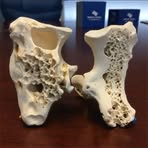

I've performed over three hundred knee replacement surgeries in my career. And for years, I believed worn cartilage was something the body could never restore. Once the cushioning inside the knee was gone, the only option left was pain management… until the joint finally needed replacing. That's what I was taught. That's what every orthopedic textbook said. But after decades in surgery, something started bothering me. I kept seeing patients whose X-rays looked terrible… yet they still moved surprisingly well. And others whose scans looked only moderately damaged… but they could barely walk across a room. It didn't add up. Then one patient changed the way I thought about knee pain entirely. His name was Gerald. A retired mail carrier who had spent over thirty years walking eight to ten miles a day on concrete. By the time he came to me, his right knee was almost completely bone-on-bone. Very little cartilage left. Severe osteoarthritis. He assumed surgery was inevitable. But before scheduling the replacement, he asked me one question. "Doc… is there anything that actually helps the cartilage itself?" At the time, I almost gave him the standard answer: "No. Once cartilage is gone, it's gone." But that question stayed with me. Because the truth is, cartilage isn't dead tissue. It's living tissue. And like every living tissue in the body, its ability to repair itself depends on the environment surrounding it. That's when I started digging deeper into the research. Late nights. Stacks of studies on my desk. Cold coffee beside me. And eventually, I found something that stopped me cold. Study after study discussing the role magnesium plays in cartilage health, joint lubrication, and inflammation regulation. One paper described magnesium as a “critical cofactor” in chondrocyte activity — the very cells responsible for maintaining and repairing cartilage tissue inside the joint. Another found that low magnesium levels were strongly associated with accelerated cartilage degeneration and increased osteoarthritis progression. That got my attention. Because magnesium isn't just some generic mineral. It's involved in over 300 enzymatic reactions inside the body. Including the ones responsible for collagen synthesis, tissue repair, inflammatory control, and cellular regeneration. Without enough magnesium, cartilage cells struggle to function properly. Inflammation rises. Oxidative stress increases. Joint tissue breaks down faster than the body can repair it. And most people are severely deficient without realizing it. Especially adults over 50. The more I read, the more everything started making sense. Maybe the problem wasn't simply “wear and tear.” Maybe the joint had lost the biological support it needed to maintain itself. Think about cartilage like grass on a lawn. If the soil underneath dries out and loses nutrients, the grass doesn't regenerate. It slowly thins out until bare patches appear. That's exactly what happens inside aging knees. The cartilage loses the mineral support it depends on to stay resilient and hydrated. And one of the biggest missing pieces is magnesium. That changed the way I started thinking about chronic knee pain. Not just as mechanical damage. But as a regenerative failure. So I started looking into ways to increase magnesium directly around the joint tissue itself. That's when a sports medicine colleague introduced me to transdermal magnesium. Topical magnesium applied directly around the knee. At first, I was skeptical. I'd seen enough gimmicks in medicine to last a lifetime. But the mechanism made sense. Topical magnesium bypasses digestion and delivers magnesium directly through the skin into the surrounding tissue. Right where circulation, inflammation, and cartilage support matter most. He told me many of his patients noticed improvement in stiffness and mobility within days. Not because the cream “numbed” pain… But because the joint environment itself started functioning better. So I tried it myself. Years in the operating room had left me with chronic stiffness in my own right knee. Especially in the mornings. And after long surgeries. I applied Magnesium Freeze around my knee twice daily for several weeks. At first, the biggest thing I noticed was movement. The knee felt smoother. Less grinding. Less stiffness on stairs. Then over time, something even more surprising happened. The deep ache I had accepted as “normal aging” started fading. Not overnight. But gradually. Steadily. Like the joint was finally getting support it hadn't had in years. That's when I started recommending it to certain patients. Not as a miracle cure. Not as a replacement for surgery when surgery is truly necessary. But as a way to support the actual tissue inside the joint before things progressed too far. One patient told me he was walking farther without needing breaks. Another said she could finally sleep through the night without her knee throbbing. And Gerald? Six months after starting magnesium therapy consistently, he postponed his replacement entirely. Because for the first time in years, his knee wasn't getting worse. It was improving. Now let me be clear. No cream magically regrows an entirely destroyed knee overnight. But cartilage is not as helpless as people think. When you reduce inflammation… Improve circulation… Support collagen production… And restore the minerals cartilage cells depend on… The body can often repair more than we were once taught possible. That's the part most people never hear. Because modern medicine is incredibly good at replacing joints. But not nearly as interested in helping people preserve the ones they still have. Today, I still perform knee replacements when they're absolutely necessary. Severe structural collapse. Major deformity. Complete loss of function. But I no longer believe surgery should be the first step for everyone. Not when the body may still have the ability to support and protect the cartilage that's left. That's why I now recommend Magnesium Freeze Relief Cream. Because it helps provide something aging joints desperately need: Magnesium support directly where cartilage cells are struggling to survive. Apply it around the knee, quadriceps, and surrounding joint tissue. The magnesium absorbs into the area. Inflammation begins to calm. Mobility improves. And the joint finally gets the biological support it needs to function more normally again. I'm sharing this because too many people are told their knees are “just worn out” without ever hearing the full story. Cartilage degeneration isn't always simply irreversible destruction. Sometimes it's a sign the joint has lost the resources it needs to maintain itself. And restoring those resources can change far more than people expect. For me, this completely changed the way I think about knee pain. For many of my patients, it changed whether they could walk comfortably, sleep through the night, or avoid surgery entirely. And for you, it may be the missing piece nobody ever explained. Magnesium Freeze comes with a 180-day money-back guarantee. So if it doesn't help, you don't keep paying for it. But if your knees have been getting stiffer every year… If you've been told “bone-on-bone” means nothing can improve… Please understand: Your joints may not be as beyond repair as you've been led to believe.
Best Mineral to "Reduce" Knee Pain?
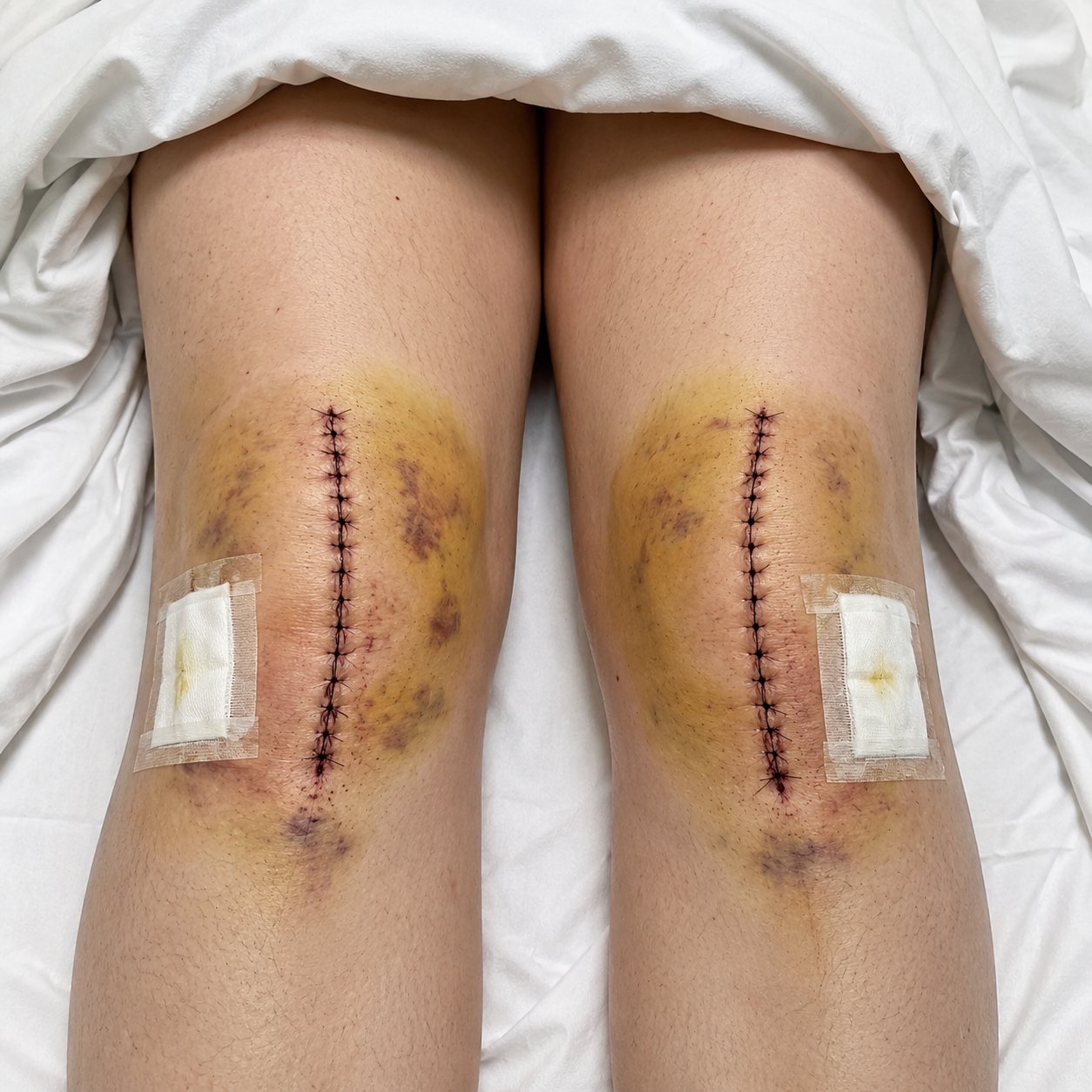
After seeing her describe waking up at 2:47 AM, unable to move because her knees were so swollen and painful she couldn't even swing her legs off the bed... just stuck there... in agony... alone...